In short
Contact lenses do more than replace glasses. Specially fitted lenses can give clear vision with keratoconus or a very high cylinder number, protect a damaged cornea, and slow short-sight in children. We fit soft, RGP, scleral, hybrid and ortho-K lenses, and every fitting starts with an eye exam and a trial pair.
Contact Lenses
Contact lenses are thin, curved discs that sit directly on the surface of your eye to correct vision. Think of them as tiny, invisible helpers that provide a clearer view without the hassle of glasses. They’re popular for many reasons, from convenience to style, allowing you to see better while enjoying freedom of movement in your daily life.
Doctor-led eye care in Malad West since 1989, with every specialty under one roof.
When or Why Should You Consider Contact Lenses?
Contact lenses offer a world of benefits beyond just correcting vision. Here’s why you might consider making the switch:
- Cosmetic: Some people choose contact lenses for purely cosmetic reasons. They offer a chance to enhance your natural beauty without the frames of glasses. Whether you want to change your eye color or simply avoid the hassle of glasses, contacts provide a fresh look that can elevate your confidence.
- Therapeutic: In certain cases, contact lenses can serve therapeutic purposes. They can help treat conditions like dry eye syndrome or keratoconus by providing a protective barrier and improving comfort. Imagine feeling relief from irritation while still seeing clearly!
- Color Vision Defect Correction: If you have color vision deficiencies, specialized contact lenses can enhance your ability to distinguish colors, allowing you to experience the world more vibrantly. No more guessing if that apple is red or green!
- Protection of the Cornea: Contact lenses can act as a shield for the cornea, especially in individuals with certain eye conditions. They provide a protective layer that keeps the eye safe from dust, debris, and environmental irritants, ensuring your eyes stay healthy and comfortable.
- Myopia Correction: If you’re nearsighted, contact lenses are a great solution for achieving clear vision without the bulk of glasses. They can provide a wider field of view and eliminate the discomfort of frames sliding down your nose.
- Slowing Myopia Progression: For children and teens, specific types of contact lenses can help slow down the progression of myopia (nearsightedness). Think of it as giving young eyes the best chance for healthy vision as they grow!
- Sports and Film Industry: For athletes and those in the film industry, contact lenses are often the preferred choice. They stay in place during vigorous activities, ensuring you see your surroundings clearly without worrying about broken frames. Plus, they look great on camera, allowing for a natural look without distractions.
Types of Contact Lenses
Understanding the different types of contact lenses can help you choose the best fit for your lifestyle and vision needs. Here’s a breakdown of your options:
- Soft Contact Lenses: These are the most common type, made of flexible material that conforms to the shape of your eye. They’re comfortable to wear and come in various prescriptions, including options for astigmatism and multifocal needs.
- RGP Contact Lenses (Rigid Gas Permeable): RGP lenses are more durable and can provide sharper vision than soft lenses. They allow oxygen to pass through to the cornea while maintaining their shape, making them a great choice for those needing precise vision correction.
- Scleral Contact Lenses: These larger lenses rest on the sclera (the white part of the eye) and vault over the cornea. They’re ideal for people with irregular corneas or severe dry eyes, offering a comfortable fit and excellent vision.
- Hybrid Contact Lenses: Combining the best of both worlds, hybrid lenses have a rigid gas-permeable center surrounded by a soft outer ring. They provide the comfort of soft lenses with the clear vision associated with RGP lenses, making them a popular choice for many.
- Ortho-Keratology: Also known as Ortho-K or corneal refractive therapy, this specialty lens is worn overnight to gently reshape the cornea. When you wake up, you can enjoy clear vision throughout the day without needing to wear lenses or glasses!
Which type of contact lens suits you?
| Lens type | Best for |
|---|---|
| Soft | Everyday comfort, most prescriptions |
| RGP (rigid gas permeable) | Sharper vision, some irregular corneas |
| Scleral | Irregular corneas (keratoconus), severe dry eye |
| Hybrid | RGP clarity with soft-lens comfort |
| Ortho-K | Overnight reshaping; myopia control in children |
| Toric / Multifocal | Astigmatism / presbyopia (near + far) |
Unique Purposes of Contact Lenses
There’s a wide variety of contact lenses to suit different needs. Here are some of the main types you can choose from:
- Daily wear contact lenses: Designed to be worn during the day and discarded at night.
- Extended wear contact lenses: These can be worn continuously for several days or weeks, depending on the type.
- Colored contact lenses: Add a fun pop of color to your eyes while correcting your vision.
- Toric lenses: Specially made for people with astigmatism, providing clear vision at all angles.
- Multifocal lenses: Perfect for those who need help seeing both near and far.
Each type of contact lens serves a unique purpose, helping you find the perfect fit for your lifestyle and vision needs.
How Can Contact Lenses Help You?
Choosing contact lenses comes with a range of benefits that can enhance your daily life:
- Increased comfort: No frames slipping down your nose or blocking your peripheral vision.
- Active lifestyle friendly: They’re great for sports and outdoor activities since they stay in place.
- Natural appearance: Contacts don’t alter your look like glasses can, so you can rock your natural style.
- Clear vision: Lenses provide a wider field of view, making it easier to see clearly all around you.
With all these advantages, it’s no wonder many people prefer contact lenses over traditional glasses!
The Contact Lens Fitting Process
Getting the right contact lenses involves a few simple steps to ensure a comfortable fit. Here’s what you can expect during the fitting process:
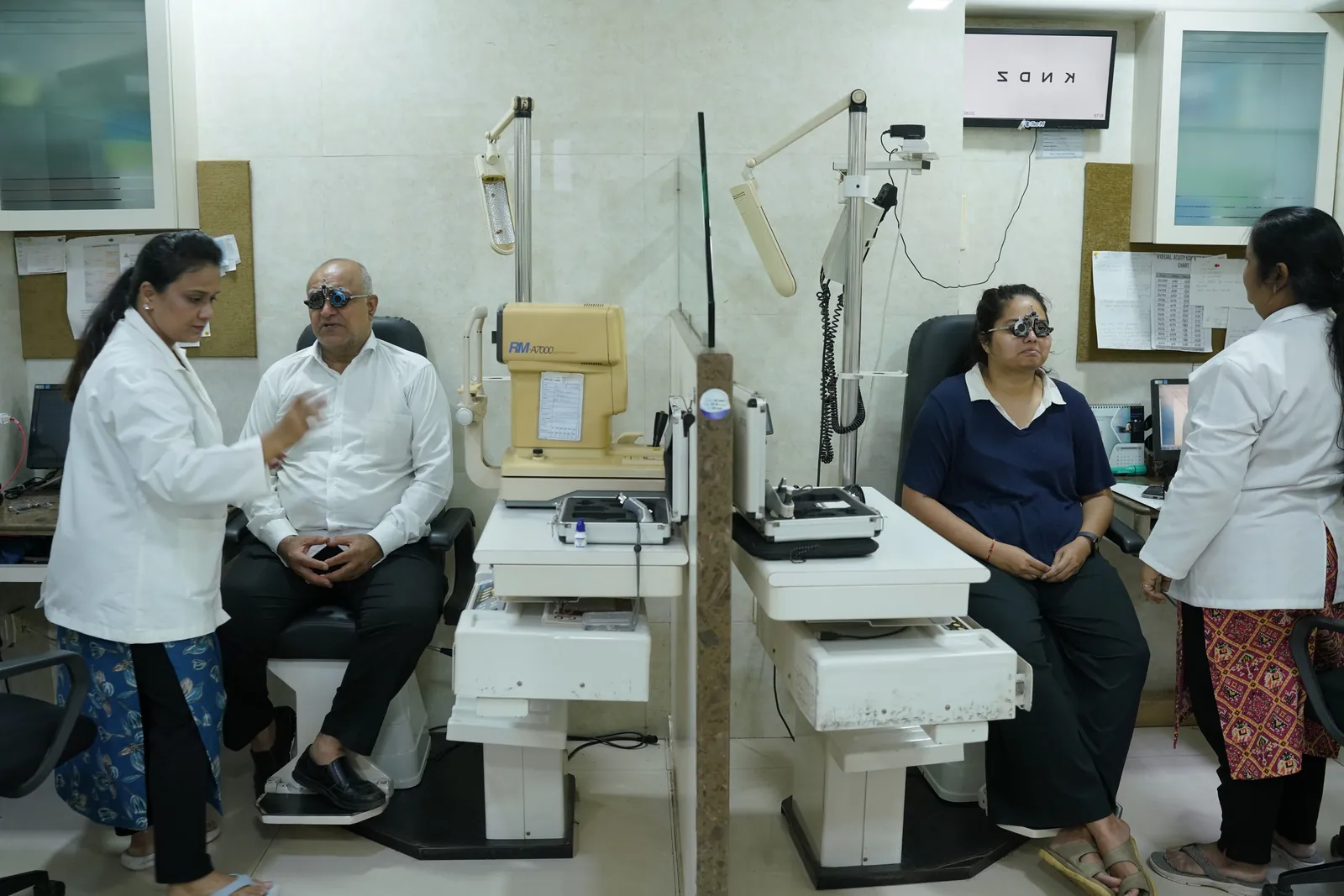
- Comprehensive eye exam: We’ll check your overall eye health and vision needs.
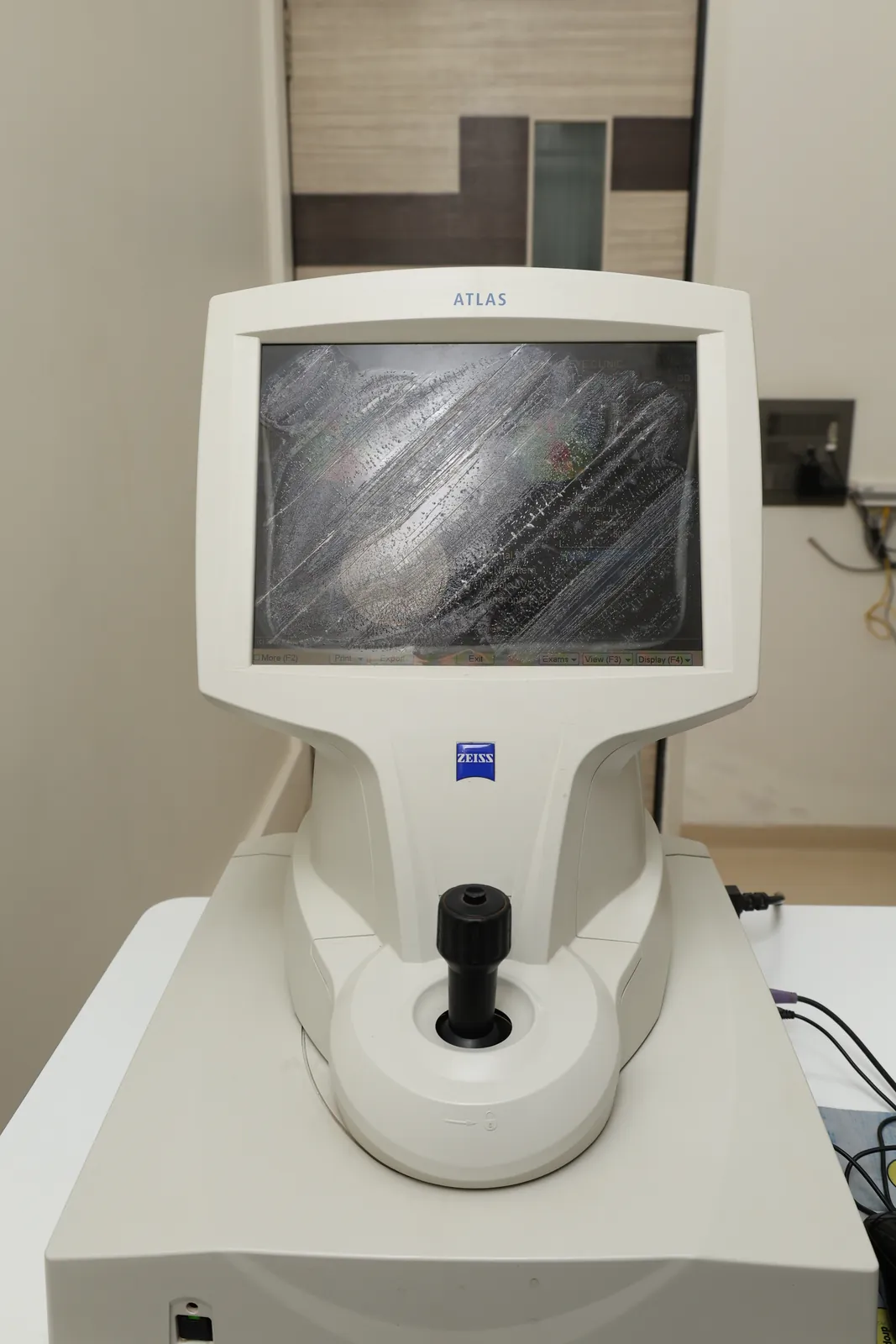
- Measurement of your eyes: This includes assessing the shape and size of your cornea to find the best lens for you.
- Trial lenses: You’ll try on different lenses to see which ones feel and work best.
- Follow-up: After you start wearing your contacts, we’ll check in to ensure everything is going smoothly.
This process helps us find the perfect contact lenses tailored just for you, ensuring comfort and clear vision.
How To Care For Your Contact Lenses?
Proper care is essential to keep your contact lenses safe and comfortable. Here are some key tips for maintaining them:
- Wash your hands: Always clean your hands before touching your lenses.
- Use the right solution: Only use the recommended lens solution for cleaning and storing your lenses.
- Follow the schedule: Stick to the wearing schedule advised by your eye care professional.
- Replace lenses as needed: Don’t wear them longer than recommended, whether they are daily, fortnightly, or monthly.
By following these care tips, you’ll ensure your lenses remain in great condition and keep your eyes healthy.
Why Choose Akshar Eye Clinic for Your Contact Lens Needs?
When it comes to your vision, you deserve a partner who understands your unique needs. At Akshar Eye Clinic, we’re more than just a clinic—we’re a community hub for eye care in Malad West. We also reach out to our neighbors in Kandivali, Borivali, Goregaon, Charkop, Mahavir Nagar, Orlem, Thakur Complex, Thakur Village and Dindoshi.
Our approach goes beyond simply fitting you with contact lenses; we take the time to get to know you and your lifestyle. Our experienced team is here to listen, guide, and support you at every step, ensuring you leave our clinic not just with contacts, but with newfound confidence in your vision.
Questions about your eyes?
Book a consultation with our eye specialists.
Frequently asked questions
Are contact lenses safe?
Yes, all types of contact lenses are safe as long as they are well maintained and replaced as advised.
I have a near vision problem; can I use contact lenses?
Yes, multifocal contact lenses are available that can correct both distance and near vision problems.
I have a high cylindrical number; can I use contact lenses?
Yes, there are various options available, such as custom-designed soft lenses, custom RGPs, and scleral lenses that can cater to your needs.
What is the minimum and maximum age to use contact lenses?
There is no strict age limit for using contact lenses. Both a one-year-old child and a 90-year-old adult can wear them based on their individual eye conditions.
I have dry eyes; can I use contact lenses?
Yes, certain special contact lenses are designed to help correct vision while also addressing dry eyes.
Can I sleep with contact lenses?
It depends on the type of contact lens you have. Always consult your eye doctor or optometrist first.
Can I swim while wearing contact lenses?
No, it is not advisable to swim while wearing contact lenses, as this can increase the risk of eye infections.
This information is for general education. Please speak with an eye specialist about your individual care.